 WhatsApp
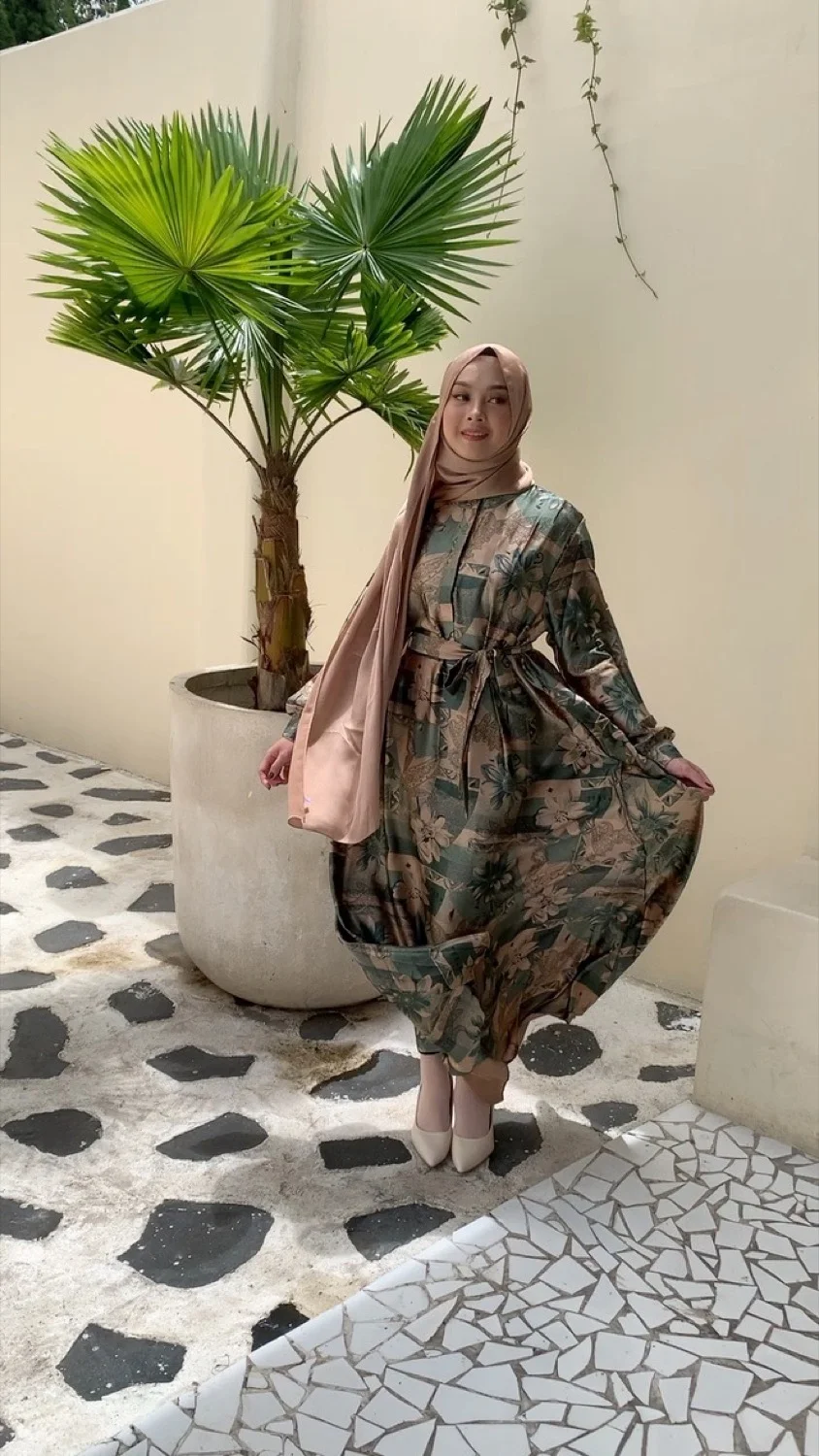
Looking consistently stylish in Muslim fashion doesn’t require a packed wardrobe or an unlimited clothing budget — it requires strategy. These five tips will help you get more mileage out of what you already own while looking intentional and put-together every day. For occasion-specific look ideas, see also hijab outfit mix & match inspiration.
Tip 1: Build Your Wardrobe on Neutral Foundations
The foundation of a versatile Muslim fashion wardrobe is neutral colors: white, black, cream, nude, warm grey, and brown.
Why neutrals work:
- They coordinate with each other effortlessly
- They pair with any color or print without clashing
- They don’t go out of trend
- They read as clean and polished in virtually any context
The 70/30 principle: Allocate 70% of your clothing budget to neutral-colored pieces. Reserve 30% for statement colors or prints. When your foundation is neutral, every statement piece you add becomes more flexible — it can pair with multiple neutrals rather than requiring its own specific match.
Practical neutral starting point: White gamis, cream voal hijab, grey cardigan, navy midi skirt, white button-down.
Tip 2: Make Your Hijab the Focal Point (or Don’t)
There’s a useful rule of thumb in fashion: one statement element per outfit, not two competing for attention.
When your outfit is simple → make your hijab the focal point:
- Plain white t-shirt + jeans + printed or textured hijab
- Basic gamis + hijab with fringe, laser-cut detail, or bold color
- Simple dress + oversized patterned segi empat
When your outfit is the statement → keep your hijab understated:
- Printed dress + solid hijab that pulls one color from the print
- Bold blazer + cream or off-white hijab
- Colorful layered outfit + black hijab as a grounding element
The interplay between a simple outfit and a statement hijab (or vice versa) is one of the most effective styling tools in modest fashion. The key is choosing one element to lead and letting the other support.
Tip 3: Dress for Your Body Proportions
The right Muslim fashion isn’t just about color — proportions and cuts matter for creating a balanced silhouette.
For petite frames:
- Avoid excessive volume — wide A-lines and very full skirts can overwhelm a small frame
- Choose gamis and dresses with a more streamlined silhouette
- Monochromatic dressing (head to toe in one color family) creates a lengthening effect
- Hijab styles that add height (loose wrap, tall turban) extend the visual line
For fuller figures:
- A-line gamis and flared skirts are flattering — they skim rather than cling
- Avoid tight-fitting cuts in areas you’d prefer to de-emphasize
- Long outer layers (cardigan, abaya outer) create a vertical line that reads as slimming
- Avoid hijab styles with excessive width at the sides — this adds visual width to the shoulder area
For tall frames:
- The most flexible proportion — most styles work well
- Floor-length gamis look particularly elegant on a longer frame
- Can experiment with bold proportional mixing (oversized outer + straight-cut inner)
Tip 4: Master Layering
Layering is one of the most powerful techniques in modest fashion — and it’s also functionally embedded in hijab dressing, since you’re already working with multiple elements (inner ciput, hijab, plus outfit layers).
A reliable layering formula:
- Base layer — T-shirt, fitted long-sleeve top, or shirt as your foundation
- Main piece — The dress, skirt, or trousers that anchor the look
- Outer layer — Cardigan, blazer, abaya outer, or kimono that adds structure and dimension
- Hijab — The element that ties everything together
Tips for effective layering:
- Vary the lengths of each layer — when layers are all the same length, the look loses dimension
- Keep color harmony across layers — they don’t all need to match, but they should relate
- Mix fabric weights — a light voal hijab with a heavier outer works better than all-heavy or all-light
- Inner layers (ciput, manset sleeve covers) are hidden layers that still contribute to overall proportion — a ciput that peeks at the hairline is a detail, not an accident
Tip 5: Invest in the Right Accessories
The right accessories transform a basic outfit into a complete look. The principle here is precision over quantity — a few well-chosen pieces have more impact than many pieces of lesser quality.
Essential accessories for Muslim fashion:
Hijab pins and brooches: One or two quality brooches become your signature. Choose pieces that reflect your personal style — minimalist, floral, geometric, or statement. Quality construction matters: cheap brooches look cheap on an otherwise well-considered outfit.
A good watch: Nothing signals “put-together” more reliably than a single good watch. One quality watch is worth more than five inexpensive ones.
A quality bag: One structured bag for formal contexts, one casual bag (tote, sling) for everyday. The quality of your bag is highly visible and has outsized impact on overall impression.
Statement earrings: Under hijab, standard earrings often go unnoticed. If you want earrings to register, go with longer drops or statement hoops that extend below the hijab line.
For 2026-trend colors that work across most skin tones, see the hijab trends 2026 palette — olive, terracotta, lilac, and deep maroon.
Bonus: Choosing Hijab Colors for Your Skin Tone
Warm/yellow undertone skin: Earth tones, brick red, dusty pink, burnt orange, warm mustard.
Dark/deep brown skin: Bright, saturated colors work beautifully — yellow, bright red, emerald green, orange. Don’t be afraid of bold color.
Fair/cool undertone skin: Muted tones, cool pastels, dusty shades. Very bright saturated colors can wash out fair skin.
These are guides, not rules — the best way to find your colors is to try multiple options and trust your eye.
Start with What You Already Have
Before buying new pieces, spend 20 minutes re-exploring your current wardrobe. Try combinations you haven’t attempted before — pair things that have been separated in your mental model. You likely own more versatile combinations than you realize.
Tiga Raga Konveksi offers a full range of hijab and Muslim apparel in hundreds of colors and styles — from casual voal to formal satin — to give your creative styling the raw material it needs. Once you’ve invested in quality pieces, protect them with our premium fabric care guide.