 WhatsApp
Switching manufacturers feels scary precisely because your brand is already running. You have customers who know exactly how your product feels, and one off batch can damage trust you built over years. The most honest version of the fear usually goes: “I already sell, I already have a vendor — how do I trial a new factory without endangering my supply, and will the result match what I already sell?”
The good news: done right, switching doesn’t have to be risky. The key is one thing — you don’t “switch” abruptly. You run in parallel first.
Why Established Brands Decide to Move
Across the brands that come to us, the reasons repeat: the old factory can’t keep up with growth, quality has started drifting, the MOQ or terms are rigid, a particular fabric is impossible to get, work is slow, or communication keeps getting harder. If several of those sound familiar, it’s worth reading 7 signs your manufacturer is no longer reliable to confirm it’s really time.
The Cardinal Rule: Don’t Cut Over Cold
The most expensive mistake is stopping your old manufacturer before the new one is proven. As soon as a sample looks good, it’s tempting to move all your orders at once — then the first big batch turns out off, and your stock is disrupted mid-stream.
Do the opposite: keep the old factory running, and test the new one alongside it. A safe transition is boring — and it’s supposed to be.
The Four-Step Low-Risk Trial
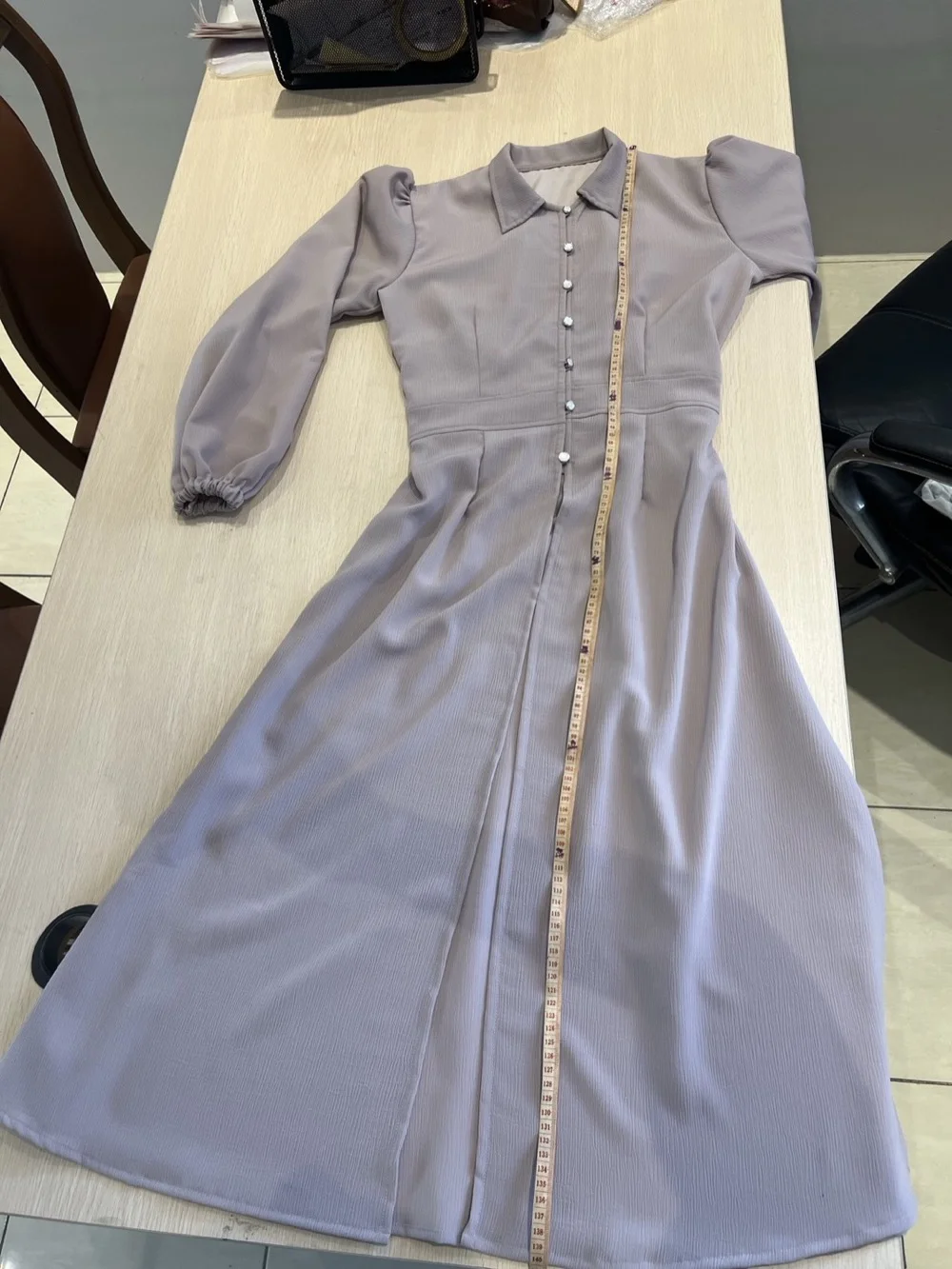
- Send a physical reference. Give us a sample of the product you normally sell, plus the fabric name/type. A physical reference is far more accurate than a description.
- Request a sample. We make a sample (Rp 300,000 commitment fee, fully credited to your first PO). Check the stitching, the drape, color accuracy, and sizing — compare it directly against your existing product.
- Match, then small trial. Once the sample matches, run a trial from 2 kodi (40 pcs) on one style — your old factory keeps running.
- Shift volume once it’s proven. Move your main production only if the trial genuinely equals what you already sell. If it doesn’t, we fix it first.
What We Can and Can’t Match
Honestly: most products we can replicate and match. Bandung is a garment-manufacturing hub, so fabric here is relatively easy — the choice is wide and deep.
There are two limits, and we’d rather be upfront about them. First, fabrics locked up exclusively by very large global players. If your sample uses one of those, we may not have the exact same fabric — but there’s almost always a very close alternative, just not identical. Second, certain high-technology processes — for example seamless knitting that needs specialized machines we don’t yet run. For those, we’ll tell you straight. We attend trade expos regularly and are in touch with many machine suppliers — once demand is there, we’re ready to add a new line. But we won’t promise something we can’t yet hold the quality on.
What Usually Drifts in a Switch — and What to Check
The things that most often shift when changing factories: color batches (a different dye run can produce a different shade), size grading (one factory’s M isn’t necessarily another’s), packaging, and timing. So when the sample arrives, don’t just judge “good or not” — compare it side by side with your old product on all four.
How We Keep the Result Consistent
On our side, consistency is held through multi-layer QC — checking fabric, pattern, stitching, and a final inspection — and every piece that passes is individually packaged sell-ready, so what you receive is tidy with no repacking. For fabric matching, our access to an exclusive fabric network, domestic and international, often opens choices that are hard to get elsewhere — including when you want to match or even upgrade the fabric from your previous factory.
On Trust: Your Design Stays Yours
There’s one fear rarely said aloud but almost always present: “if I hand over my design and fabric, will it be leaked or copied?”
We once took on a brand that came to us for exactly this reason. They’d previously worked with another factory that signed an agreement not to sell a certain product/pattern to anyone but them. Technically, that agreement was honored — but the factory made something similar, slightly different, and sold it to their competitor. At first it seemed fine; nothing was broken in black and white. But over time, the brand realized there was no differentiation left between them and their competitor. They felt left behind and deprioritized.
To us, that’s not how you do business. We respect the spirit of exclusivity, not just the wording of a contract — we don’t make near-copies of your custom work for other brands. A long-term relationship is worth far more than a quick win, and it’s one of the reasons we’ve lasted 20+ years in this trade. We intend to be in this field for a long time — and that kind of reputation isn’t built by selling out your own clients.
And if you want it in writing, we’re open to signing an NDA — even though most work in Indonesia still runs on trust.
Your First WhatsApp Message
So we can judge fit accurately, when you reach out, include: the product you want to match (ideally send the physical sample), the fabric name/type, your rough monthly volume, and the deadline you’re aiming for. From there we can talk realistically about sampling, fabric matching, and timeline.
If your reason leans more toward securing capacity than a full replacement, also read the second-source playbook. For the process and pricing, see how to order & pricing and our private label service.
Tiga Raga Konveksi — 20+ years in Muslim apparel, 200,000+ pcs/month capacity, 100+ brands across Indonesia and Malaysia. Start with one sample from the contact page.