
 WhatsApp
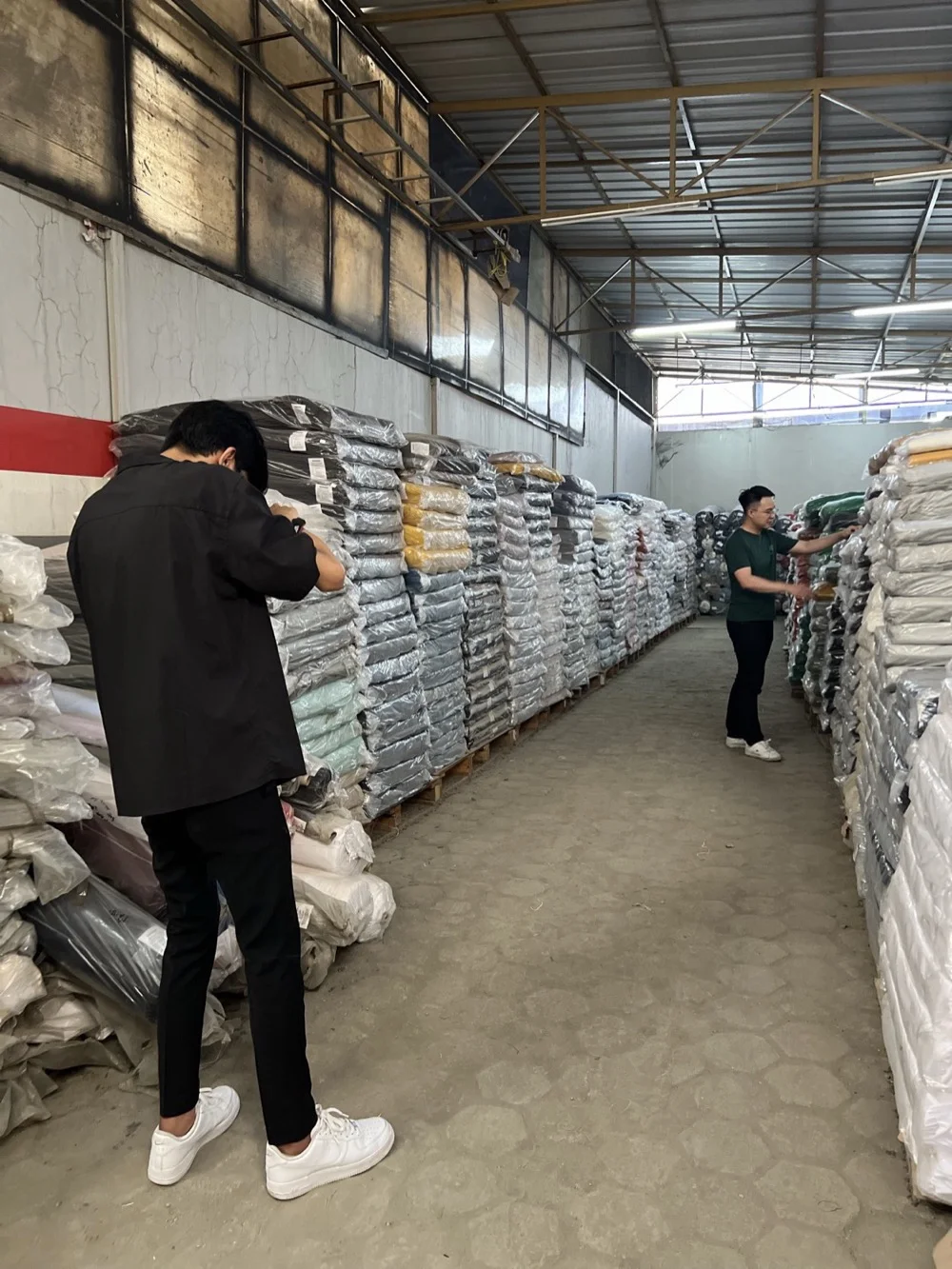
Most Muslim-apparel brands start with one manufacturer, and that’s reasonable. But once your brand grows, depending entirely on a single supplier shifts from “convenient” to “fragile.” It only takes one time — that supplier gets overwhelmed, shifts focus to another client, or hits trouble — and you run out of stock at the worst possible moment.
Mature brands know this. They rarely scramble to replace a manufacturer; they add one. That’s the heart of a second-source strategy.
The Single-Supplier Risk
As long as everything runs smoothly, one manufacturer feels like enough. The trouble is that the risk stays invisible until it happens — and when it does, it’s usually at your busiest moment: the run-up to Eid, when a product goes viral, or when a marketplace demands a fast restock. At that point, having no backup plan isn’t a saving; it’s a gamble.
Three Reasons to Add, Not Replace
1. Backup capacity for growth
When demand grows faster than your main factory can handle, you need extra production headroom. Our 200,000+ pcs/month capacity can absorb your overflow — without you having to move everything at once.
2. Specialization & exclusive fabrics
Every factory has different strengths. A second manufacturer can open access to materials your first supplier doesn’t have. Through our exclusive fabric network — materials with a signature feel that’s hard to duplicate — your product can gain a real point of difference, while you keep your existing supplier for other lines.
More than that: because we work directly with the fabric mills, for clients with enough volume we can lock a fabric exclusively — having the mill produce that fabric type for you alone and sell it to no one else. On a smaller scale, we can lock a specific color for your brand only. The result is a product competitors genuinely can’t copy — a real differentiator, not just a claim. It’s one of the main reasons our largest clients stay with us for years.
3. Risk insurance
A second manufacturer is your insurance policy. If one supplier runs late or hits a problem, you’re not fully paralyzed. For a brand whose reputation rides on stock availability, this isn’t a luxury — it’s basic risk management.
A note from our own experience. One brand came to us after its growth outpaced its old manufacturer. They’d started small — a few hundred to a few thousand pcs a month — and it was fine. But when demand surged, the old factory couldn’t hold the standard and hit deadlines at the same time; QC dropped and the brand’s name started taking the hit. We can run at 200,000+ pcs/month, but the point we want to make is the opposite of bragging: we don’t pretend to be limitless. If a line is full, we say so plainly — “we’re at our ceiling, we’ll maximize what we have” — rather than push and let quality fall. We could add tailors and machines to chase a number, but untested hands and machines risk dragging quality down. So our team grows carefully: tailors are selected, and their work is checked and refined continually, not hired in a rush to hit a figure.
The Eid Math: Why You Onboard Off-Season
The classic mistake is hunting for a second manufacturer when you’re already panicking ahead of Eid. By then every factory is full and you have no time for proper sampling and trials.
Here’s the backward math. Say Eid falls in March. Online stores and department stores usually need stock ready around mid-January — roughly six weeks ahead. That means goods must reach the client by January, so our production needs to start around October–November. In practice, your Ramadan stock PO should ideally be placed around October — four to five months before Ramadan. Come early and there’s room for sampling and a trial; come late and you’re competing for capacity with everyone else.
Onboard well in advance — a few months before the ramp-up — so samples, a small trial, and standard alignment are done before the pressure arrives. When peak season hits, your second source is ready, not just getting acquainted.
Splitting Volume Without Quality Drift
Running two manufacturers doesn’t automatically mean inconsistent quality — provided it’s managed:
- The same standard and reference sample for both factories.
- Split by category or style, rather than one style made by two factories at once, so there’s no confusing batch variance for your customers.
- Start gradually — give the second source one line first, scale up once it’s proven.
How to Onboard Safely
Adding a second manufacturer doesn’t have to be risky. The steps are the same as any trial: sample first (Rp 300,000, credited to your first PO), then a small trial from 2 kodi (40 pcs), then scale. We cover the details in how to switch manufacturers without losing quality — the method is identical, only the intent differs: add, not replace.
If you’re not yet sure your current factory needs a partner, check 7 signs your manufacturer is unreliable first.
The First Step
It doesn’t have to be big. Send one of your best-sellers to be sampled, and make us the backup that’s ready when you need it — not when it’s already too late. Tiga Raga Konveksi: 20+ years in Muslim apparel, 200,000+ pcs/month capacity, 100+ brands across Indonesia and Malaysia.
See how to order & pricing, our private label service, or start the conversation over WhatsApp from the contact page.