
 WhatsApp
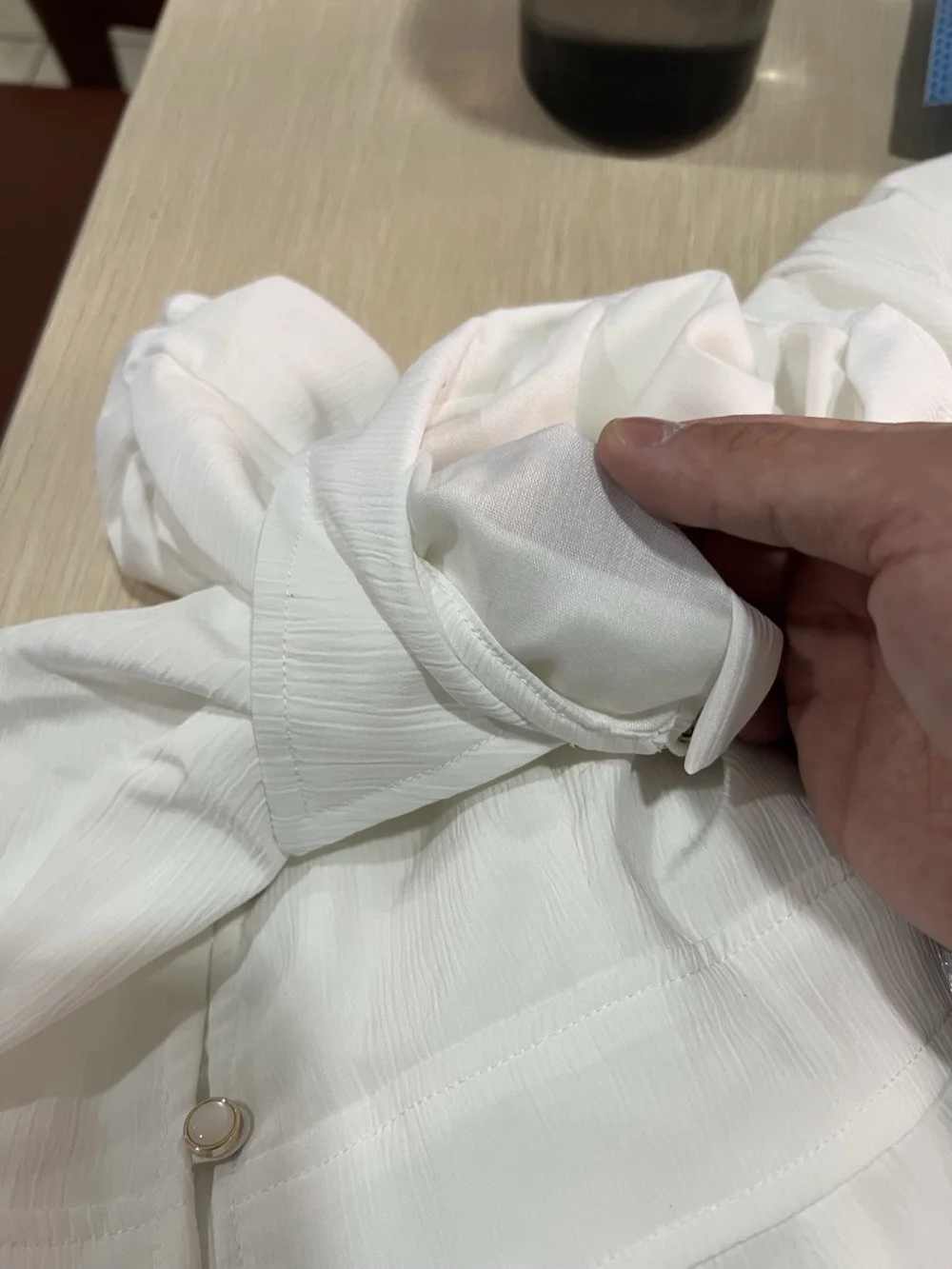
When you’re starting out, chasing the lowest price per piece makes sense. But once your brand is running — regular customers, steady marketplace sales — the question changes. What matters is no longer “what’s the price per piece,” but “what’s the total cost to actually get this sold.”
And that’s where cheap manufacturing quietly becomes the most expensive option.
Price Per Piece Isn’t the Real Cost
Picture two quotes. One is Rp 2,000 cheaper per piece. On paper, across 5,000 pcs, you save Rp 10 million. But if the cheaper one runs a 5% higher reject rate, inconsistent stitching, or goods you have to repack one by one — that saving evaporates, and often turns negative.
For an established brand, the real cost shows up where the invoice doesn’t print it.
Five Hidden Costs of “Cheap”
- Rejects and QC on your side. If you have to re-sort every shipment for fear a defect slips through, you’re paying labor for the QC the factory should have done.
- Returns and bad reviews. One defective product reaching a customer isn’t just one lost item — it risks becoming a one-star review read by hundreds of prospective buyers.
- Repacking. Goods that arrive without retail packaging have to be opened, checked, and repacked before you can sell them. That’s time you didn’t count when comparing prices.
- Late = lost shelf trust. Stock that’s late during a peak (the run-up to Eid, say) doesn’t just lose that day’s sales — it shakes the marketplace’s and the customer’s trust in your brand.
- Inconsistent batches. Customers who reorder expect the exact same product. If color or stitching drifts batch to batch, you lose your most valuable customers: the repeat buyers.
Where We Stand: Honest, Not Cheapest
We won’t claim to be the cheapest manufacturer, because we aren’t. What we hold is a balance of quality and price.
On quality, we’re realistic. If the biggest global brands sit at a 10 for knit stability, pattern accuracy, and stretch, we’re honestly around an 8 — at a price far below theirs. For most local Muslim-apparel brands, quality at that level is more than enough to build loyal customers, without paying for a global-tier price tag.
And we keep that price competitive with one practical goal: your margin has to stay healthy. We know marketplaces and online stores usually take around 25–30%. After that cut, with our wholesale pricing and a low reject rate, clients can still sell at a sensible margin. That balance is exactly what keeps clients with us for years.
How to Compare Prices Honestly
Before the lowest number tempts you, ask every candidate manufacturer for these four things:
- A sample — hold it, check the stitching, fabric, and color accuracy.
- A reject policy — what happens if there’s a defect? Replaced, fixed, or your problem?
- A packaging standard — does it arrive sell-ready, or do you repack?
- Consistency — if possible, sample from two different batches to see whether the quality holds.
Compare the answers side by side, then compare the price. Often the “slightly more expensive” one is the cheapest once every cost is counted.
The First Step
The cheapest way to prove this isn’t to argue about price — it’s to hold the product. Send one sample of yours — the sample commitment fee starts at Rp 300,000 and is fully credited to your first PO — and compare it against what you already sell.
If you’re weighing a move, read how to switch manufacturers without losing quality and 7 signs your manufacturer is unreliable. For pricing and the order flow, see how to order & pricing.
Tiga Raga Konveksi — 20+ years in Muslim apparel, 200,000+ pcs/month capacity, 100+ brands across Indonesia and Malaysia. Start the conversation over WhatsApp from the contact page.